
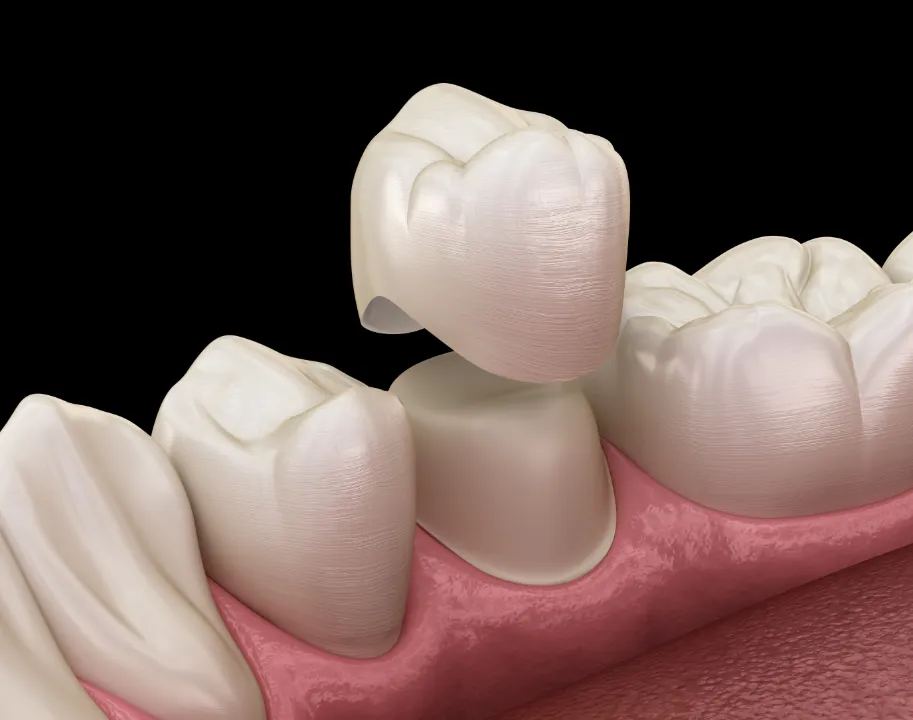
How long do dental crowns last?
Dental crowns typically last between 10 and 15 years, though many last 20 years or more with proper care. The material the crown is made from, where it sits in your mouth, and your daily habits all play a role in how long it holds up. At A2 Dental in Auburn, WA, we help patients choose the right crown material for their situation and give them a clear picture of what to expect long-term.
What affects how long a crown lasts?
Several factors determine crown longevity:
- Material. Porcelain-fused-to-metal and all-ceramic crowns are popular for front teeth; zirconia and metal crowns tend to be more durable for back teeth that take more chewing force.
- Location in the mouth. Back teeth endure far more pressure than front teeth, which can shorten a crown’s lifespan if the material isn’t matched to the load.
- Oral hygiene. Crowns themselves don’t decay, but the tooth underneath can. Gum disease and decay at the crown margin are leading reasons crowns fail prematurely.
- Grinding and clenching. Bruxism puts enormous stress on crowns, especially ceramic ones. Patients who grind their teeth often benefit from a nightguard.
- Quality of placement. A well-fitted crown with a properly sealed margin is far less likely to fail early. Poor fit allows bacteria to enter under the crown, leading to decay beneath it.
How to make your dental crown last as long as possible
The good news: most of what protects a crown is the same good dental hygiene you’d practice anyway.
- Brush twice a day and floss daily. Pay particular attention to the gumline around the crown, where plaque accumulates and bacteria can work under the margin.
- Don’t skip your routine cleanings. Regular exams let us check the crown margin, spot early decay, and catch any fit issues before they become bigger problems. Our post on what happens if you skip dental cleanings explains exactly what’s at stake.
- Wear a nightguard if you grind. If you clench or grind your teeth during sleep, a custom nightguard is one of the best things you can do to extend the life of any crown.
- Avoid chewing hard objects. Ice, hard candy, pen caps, and fingernails are common culprits for chipping or cracking ceramic crowns.
- Let us know if something feels off. If your bite feels different, or if the crown feels loose or sensitive, come in sooner rather than later. Small issues are always easier to fix than bigger ones.
Signs your crown may need attention
Contact your dentist if you notice any of the following:
- Pain or sensitivity in the crowned tooth, especially to hot or cold
- A change in how your bite feels
- Visible cracks, chips, or rough edges on the crown surface
- The crown feeling loose or wobbly
- Swelling or soreness in the gum around the crown
None of these mean automatic replacement — sometimes a crown can be repaired, recemented, or simply monitored. The key is not to wait.
Dental crowns in Auburn, WA
A2 Dental provides dental crowns as part of our broader restorative dentistry services in Auburn, WA. Whether you’re replacing an old crown, protecting a tooth after a root canal, or restoring a damaged tooth, we’ll help you choose the right material and walk you through exactly what to expect. Staying on top of preventive care is the best way to protect your investment — read our guide to preventive dentistry to learn more. Contact us to schedule an appointment.
Schedule Your Visit
Whether you’re maintaining your oral health or exploring treatment options, our team at A2 Dentistry is here to help.