
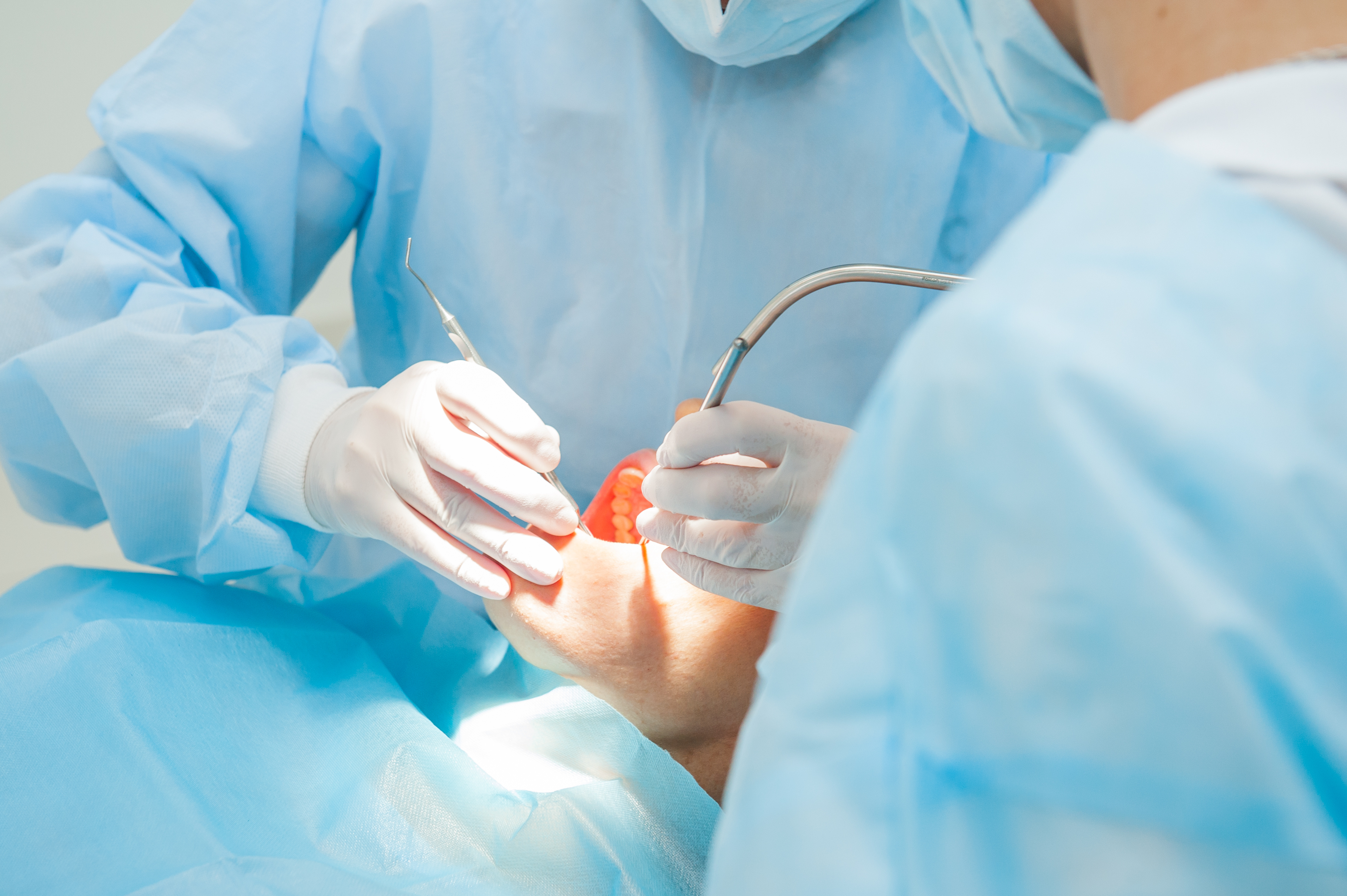
Tooth extractions: what to expect before, during, and after
A tooth extraction is one of the most common dental procedures — and one of the most feared. The reality is that with modern anesthesia and technique, most extractions are far more straightforward than patients expect. At A2 Dental in Auburn, WA, our urgent care team handles extractions routinely and walks every patient through the process before we begin. Here’s what you need to know.
When is a tooth extraction necessary?
We always prefer to save a tooth when possible. Extraction becomes the right option when:
- A tooth is too severely decayed or damaged to be restored with a filling or crown
- Advanced gum disease has caused significant bone loss around the tooth
- A tooth is badly cracked below the gumline
- A baby tooth hasn’t fallen out on its own and is blocking a permanent tooth
- A tooth is causing overcrowding ahead of orthodontic treatment
- Wisdom teeth are impacted or causing problems with neighboring teeth
Before the extraction
Before any extraction, we’ll review your medical history, current medications, and any allergies. Certain medications (blood thinners, bisphosphonates, and others) require special consideration, so it’s important to give us a complete picture.
We’ll also take X-rays to understand the tooth’s root structure and its relationship to surrounding nerves and bone. For patients with significant dental anxiety, we’ll discuss sedation options — including nitrous oxide or oral sedation — to ensure you’re comfortable throughout. Our post on whether sedation dentistry is safe covers the options in detail.
Day-of instructions typically include:
- Eat a light meal beforehand (unless you’re receiving oral sedation, in which case we’ll give you specific fasting instructions)
- Arrange a ride home if you’re having sedation
- Wear comfortable clothing and avoid wearing jewelry or contacts if sedation is planned
During the extraction
The area around the tooth is numbed with a local anesthetic — you’ll feel pressure during the procedure but not pain. Once you’re numb, the tooth is gently loosened and removed. Simple extractions (visible teeth) are typically done in minutes. Surgical extractions (impacted or broken teeth) take a little longer and may involve a small incision in the gum.
If you feel any sharp pain during the procedure, let us know immediately — we can add more anesthetic. Feeling pressure or movement is normal; pain is not, and we’ll always address it.
After the extraction: recovery tips
Most patients recover comfortably within a few days. Here’s how to protect the extraction site and speed healing:
- Bite down gently on the gauze for 30–45 minutes after the procedure to help a clot form. Change it as directed.
- Avoid rinsing, spitting, or using a straw for the first 24 hours — these actions can dislodge the blood clot and lead to dry socket.
- Apply ice to the outside of your cheek in 10-minute intervals for the first few hours to reduce swelling.
- Eat soft foods for the first day or two — yogurt, soup, smoothies, and mashed potatoes are all good choices. Avoid hard, crunchy, or very hot foods.
- Take any prescribed medication as directed. Over-the-counter ibuprofen or acetaminophen is usually sufficient for pain management.
- Avoid smoking for at least 48–72 hours, as it significantly increases the risk of dry socket and slows healing.
What is dry socket, and how do I avoid it?
Dry socket occurs when the blood clot at the extraction site is dislodged or dissolves before the wound heals — leaving the underlying bone exposed. It’s the most common complication after an extraction, affecting about 2–5% of cases. Symptoms include a throbbing ache that begins a few days after the extraction and may radiate toward the ear.
If you think you have dry socket, call us. It’s easily treated in the office with a medicated dressing that provides near-immediate relief.
What comes after an extraction?
If the extracted tooth needs to be replaced, we’ll discuss your options once healing is complete. Our guide to dental implants vs. dentures is a helpful starting point for understanding what tooth replacement involves and which route might suit your situation.
Tooth extractions in Auburn, WA
If you’ve been told you need an extraction — or if you’re in pain and think you might — A2 Dental is here to help. We treat patients with care and work to make the process as comfortable as possible. Learn more about our tooth extraction services, or contact us to schedule an appointment at our Auburn, WA office.
Schedule Your Visit
Whether you’re maintaining your oral health or exploring treatment options, our team at A2 Dentistry is here to help.